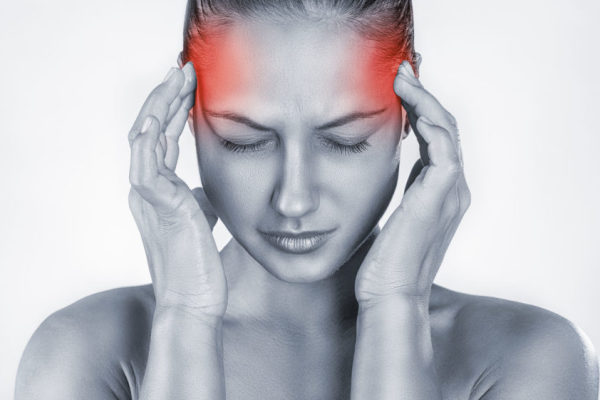
Most of us have experienced some form of headache before, but for millions of people with migraines, it’s a different beast. The intense, pulsating headache and unwelcome add-ons like visual disturbances can hijack your day.
According to the World Health Organisation, Migraines are the second leading cause of disability worldwide. In more specific terms, Migraines affect around 14% of people globally, and 19% in Australia alone.
The stats may look gloomy, but there’s a bright light at the end of the tunnel for Migraine sufferers, as the condition is largely treatable. Millions of people get back to being productive and doing what they love with the right treatment approach.
However, awareness on what the condition is all about, and what the right treatment looks like comes first. We’ll look at what Migraines are, causes and key risk factors, and key treatment options to consider.
So What's a Migraine?
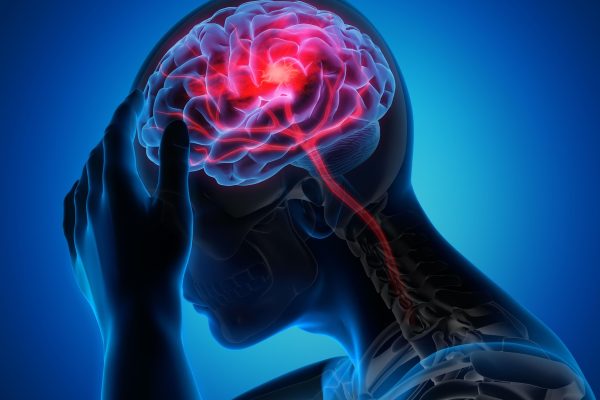
A Migraine is a disorder of the nervous system characterised by chronic, episodic headaches and other symptoms like oversensitivity to light and sound, nausea, and vision problems.
What I Commonly See Going Wrong in Migraine Patients
There are two main issues in people with Migraines:
- Abnormal central processing: Patients tend to have an oversensitive central nervous system. Nerve cells in key areas of the brain like the Brainstem and cortex become overly responsive, and fire too easily. When these cells are triggered, they cause an abnormal wave of activity across the Brain, known as “Spreading Cortical Depression”, which causes signs and symptoms of Migraines.
- Altered Blood supply: Patients also show evidence of dysfunction in the blood supply system to the Brain and other contents of the skull i.e Meninges. When an oversensitive Brainstem is triggered, nerves which control blood vessels responsible for supplying outer protective tissues of the Brain(Meninges) become activated. This causes the blood vessels to release substances like Calcitonin and Substance P, which promote inflammation and pain.
Forms of Migraine
Migraines can be classified based on the nature and pattern of symptom presentation.
Migraine without Aura
This is the most common type, accounting for 70-75% of all cases.
Key characteristics:
- Dull, throbbing pain that usually lasts within 4-72 hours.
- May come with oversensitivity to sound and light.
- Often occurs on both sides of the head, and around the eye sockets.
- May also come with extras i.e neck stiffness, blurred vision, yawning.
- Post-headache symptoms include heaviness, scalp tenderness, and fatigue.
Migraine with Aura
The term “Aura” describes a variety of vision problems that come before or during the headache episode. Key issues include:
- Loss of focus.
- Dark spots.
- Flashing lights
- Visual image changes: flickering colors, missing/obstructed areas in the visual field.
These strange visuals tend to fade as the headache sets in. Unlike Migraine without aura, the headache in these cases is usually one-sided, often in the side opposite to the one experiencing visual problems.
Apart from visual changes, this type may also come with issues like tingling sensations in the hand and face along with depression, reduced appetite, and irritability.
Phases of a Migraine

To sum it up, there are four main phases of a migraine:
- Prodrome: This features the first bunch of symptoms you experience before the headache sets in. These include light and sound oversensitivity, yawning, and appetite changes. Over 77% cases go through this phase, typically from 24-48 hours.
- Aura: This phase typically lasts for about 5-60 minutes. As pointed out earlier, it’s characterised by visual disturbances among other symptoms like sensory and speech disturbances.
- Headache: A pulsating or throbbing pain that often sticks around for 4-72 hours. Additional symptoms include nausea, vomiting and light oversensitivity.
- Postdrome: a.k.a “Migraine Hangover”, it typically lasts for 24-48 hours, with key symptoms including fatigue, heaviness, and general body aches.
Note: These are just general stages. Symptoms may differ based on type of the Migraine and other factors.
The Most Common Migraine Triggers I See in St Clair Patients
Migraines are a combination of genetic predisposition and a wide range of environmental factors:
Genetics

Recent scientific studies on the link between genes and risk of Migraines show that there’s a strong genetic component to migraines. Statistically speaking, you are 3 times more likely to develop a migraine if you’re related to someone with the disorder.
Mutations in genes like the PRRT2 gene, which plays a key role in regulation of nerve cell activity, have been linked to certain forms of migraine. Additionally, migraines are commonly tied to a good number of established genetic disorders like Retinal Vasculopathy and Cerebral Autosomal Dominant Arteriopathy.
Environmental factors
Certain environmental factors may interact with preexisting vulnerabilities in the nervous system to trigger a migraine attack. More specifically, over 76% of patients report an obvious trigger:
- Stress: Reported as a key trigger for over 80% of cases.
- Hormonal changes: Hormone fluctuations during pregnancy, ovulation, or menstruation can trigger a series of processes which increase the risk of Migraines. At least 65% of cases report a direct correlation.
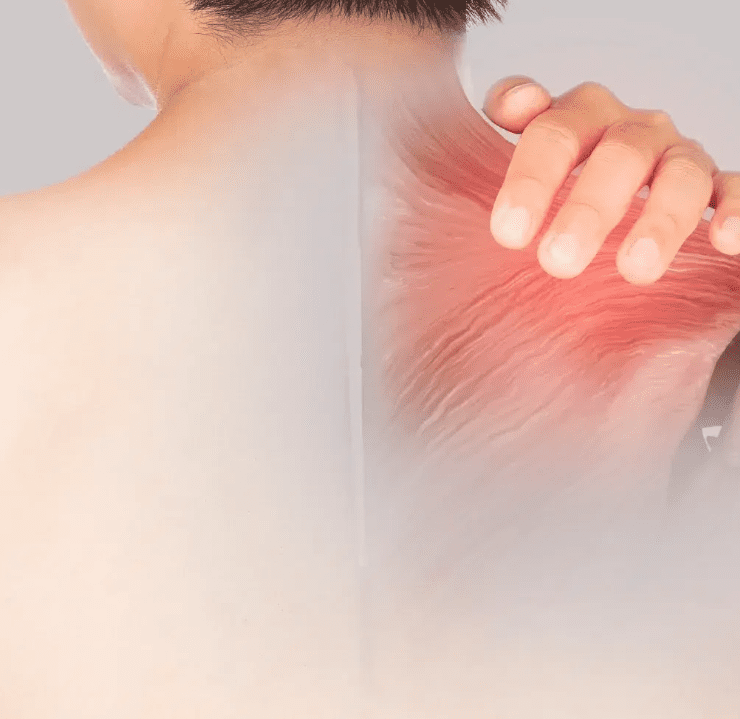
- Neck pain: A good proportion of Migraineurs also report issues in the neck area. The reason lies in something called “Trigeminal convergence”. Sensory nerve cells from upper neck areas converge into the same Brainstem area as nerves from the head. Problems in the upper neck areas, i.e strained muscles, result in a barrage of pain signals into the Brainstem. This can cause a migraine attack if the brainstem is already oversensitive.
- Poor sleep: There’s a two-way relationship between sleep and migraines. Migraines can disturb your sleep, and lack of adequate sleep can cause further migraines. Poor sleep can disrupt brain chemical regulation, lowering pain perception thresholds and initiating blood vessel changes associated with migraines.
How I Assess Migraine in the Clinic

A diagnosis of Migraine is based on your history and physical examination in light of a standard diagnostic criteria. These frameworks make it easy for us to recognise migraines during clinical assessment. Factors like behaviour of symptoms, medical history, familial history, lifestyle, and environmental triggers are considered through a series of questions.
Expect questions like:
- When and how did it start?
- Where does it hurt?
- How long do the episodes last?
- How often does it show up etc.
These serve a key basis for diagnosis and treatment plan formulation.
How I Help My Patients Get Their Migraines Under Control
Treating migraines requires a holistic approach due to the multifaceted nature of the condition. This means combining acute treatment for immediate pain relief, and long term preventive strategies to address frequency, severity, and incidence of attacks.
Acute Treatment
Medication

This primarily aims at eliminating, or stopping the progression of an attack. Different classes of pain and anti-inflammatory medication may be used to achieve this:
- NSAIDs(Non-steroidal Anti-inflammatory drugs): This is mostly prescribed for patients with mild-moderate attacks. Common first-line options include Diclofenac, Naproxen, Ibuprofen. If these fail, another class of drugs is considered.
- Triptans: These are also considered first-line treatment for patients with moderate to severe Migraine attacks, especially for those with altered pain sensitivity(Allodynia). These include Sumatriptan injections, zolmitriptan, and Rizatriptan.
- Antiemetics: Used together with NSAIDs or Triptans for dealing with nausea and vomiting.
Physiotherapy

As mentioned earlier, some migraine sufferers also come in with neck dysfunction. The key reason is that dysfunction in the neck area can be a strong trigger/key factor behind migraine attacks. Established causes include inflamed spinal facet joints, spasms, or tone changes in a group of muscles at the base of the skull, known as suboccipital muscles. Physiotherapy methods i.e manual mobilisation/manipulation, stretches, and exercise help with reducing these dysfunctions, and thus the migraine.
Experts have come up with a highly effective physiotherapy manual approach to deal with neck-related migraines and similar headaches, known as the Watson approach. You can check it out here.
Current research evidence supports the use of various physiotherapy treatment methods for Migraine attacks. For instance, a key research review published in the Journal of Headache and Pain compared physiotherapy and chiropractic to mainstream medication i.e Topiramate and Propranolol. Results showed them equally effective for management of migraines.
Promising alternative treatments for acute episodes are also available, and may be used in conjunction with medication and physiotherapy. These include: Transcutaneous Supraorbital Nerve Stimulation, Transcranial Magnetic Stimulation, and electric nerve stimulation.
How We Reduced Cathy's Migraine by 70%
This is not mere hearsay, we’ve seen the impact of physiotherapy first-hand through standard techniques, especially for neck related headaches. Cathy’s story serves a great example:
She reluctantly walked in earlier this year, with chronic migraine attacks and neck pain after a good friend referred her to our clinic for a try. She didn’t hesitate to express her concern once she was settled in the treatment room:
“Is this really going to work? can I really get better with physio?”
I told her, we had to get into a comprehensive assessment first because some patients get better while others need more medical management depending on a variety of factors.
We went ahead with the assessment, which quickly linked a number of issues in her upper neck area to her migraine episodes. Tight suboccipital muscles, inflamed spinal joints and stiffness caused her neck pains. All this triggered migraines through the intricate physiological connection between the upper neck structures, brainstem, and nerves which supply the head area.
The plan was simple:
Eliminate existing neck issues, which were the key trigger factor for her migraine attacks. We designed a program which combined manual techniques and exercises aimed at reducing muscle dysfunction and pain in the neck area. The first few sessions focused on manual techniques, which reduced her pain intensity by around 50%.
By the 6th session, the frequency, duration and intensity had dropped to around 65%. She’s now back to work, more productive, and confident than ever. This testifies to how traditional physiotherapy techniques can be a real game changer when it comes to overall quality of life for migraine sufferers.
Preventive Treatments
These aim at reducing frequency, severity, and risk of long term disability. Preventive medication may be used in conjunction with other treatment techniques, which include:
- Antidepressants: For patients with depression and other related mental health conditions that are primary triggers.
- Beta-blockers: recommended for patients with high blood pressure(hypertension).
- Calcium channel blockers: recommended for women of childbearing age.
Physiotherapy

The most recent studies on long term efficacy of physiotherapy techniques on Migraine show a positive trend:
A 2025 research review, published in the International Journal of Physiotherapy, looked at clinical trials which investigated effectiveness of manual therapies for managing migraine symptoms. Manual techniques like joint manipulations were associated with lower migraine frequency(up to 38%), and intensity(up to 47%).
Beyond manual treatments, exercise also presents a good track record when it comes to long term management of migraines. A 2024 research review looking into studies which investigated this over the past decade provides some solid scientific proof. The study’s objective was to compare various exercise methods on migraines in terms of frequency, intensity, duration, and disability.
Exercise approaches like aerobic training and Yoga were the best interventions for reducing migraine frequency and intensity. More specifically, moderate intensity aerobic exercises proved the best approach for dealing with long term disability. On the other hand, high-moderate intensity aerobic exercises were most effective for dealing with migraine intensity and duration.
Women and Migraines
Before we proceed, let’s consider this special group of people when it comes to migraines: women. Current statistics show that women are three times more likely to experience migraines than men.
In fact, women go through more frequent, more severe, and longer attacks than men. The reason for this discrepancy between men and women lies in hormonal changes across life stages in women. The hardest hit age range is 35-39yrs.
There’s a direct link between fluctuations of a hormone called Ostrogen and risk of a migraine attack. Lower levels of Oestrogen are associated with increased incidence of migraines, and there’s a simple explanation to this:
Oestrogen helps with maintaining levels of another substance known as Serotonin, which is a major inhibitor of pain. A drop in Oesterogen levels also lowers Serotonin levels, which means a lower pain threshold and increased risk of a migraine attack.
Additionally, lower oestrogen levels trigger a series of processes that increase sensitivity in a special type of sensory nerve cells known as Dopamine receptors. This in turn increases the likelihood of a migraine attack. Furthermore, lower Oestrogen levels promote the release of what are known as Prostaglandins, which also promote pain sensitivity.
This is why we have subtypes of migraines relating to events like menstruation, menopause, and pregnancy. Let’s take a quick look:
Menstrual Migraines
Stats show that about 60% of female migraineurs report a direct link between migraine attacks and menstrual cycles. Oestrogen levels take a sharp decline during the late luteal phase of the menstrual cycle(3-4 days before menstruation).
Menstrual Migraines can be classified as:
- Pure Menstrual Migraines(PMM): Only occur during the menstrual period.
- Menstrually Related Migraines: Occur during the menstrual period and other times.
Treatment for menstrual migraines is mainly prophylactic therapies, which involve short term usage of a class of drugs known as Triptans, or Anti-inflammatory drugs(NSAIDS).
Birth Control Headaches
Combined hormone Contraceptives which contain key menstrual hormones: Osterogen and Progestin are great for maintaining ideal levels of Oestrogen during menstruation, which helps with reducing the risk of migraines in women. However, the hormone-free week in the regimen comes with a sharp decline in Oestrogen levels, which can set the stage for development of a migraine attack. Additionally, synthetic oestrogens have also been known to activate brain receptors, which trigger a series of reactions associated with migraine attacks.
In this case, management rests on engaging alternative strategies that eliminate the risk of extreme Estrogen fluctuations. Measures like progestin-only contraceptives and non-hormonal methods may be recommended.
Pregnancy-related Migraines

Pregnancy comes with its own share of complex hormonal changes, including Oestrogen fluctuations. Migraine frequency tends to be the highest in the first trimester(first three months) due to lower levels of Osterogen compared to the second and third trimesters. Migraines without auras tend to get a lot better during the second and third trimesters as Osterogen levels rise. On the other hand, migraine with aura tends to stick around in the later stages as a lot more is involved compared to its counterpart.
Managing pregnancy related migraines is tricky as most standard drugs come with a range of serious risks. Therefore, alternative approaches take center stage in managing pain and related symptoms. These include acupuncture, lifestyle modifications, and relaxational techniques.
However, in special cases where drugs therapies are relatively safe, standard medications like Triptans may be used.
Perimenopause Migraines
The shift to menopause comes with a range of hormonal changes, including declining Oesterogen levels. This leads to increased frequency of migraines around this period.
Hormone replacement therapy aimed at maintaining ideal Oestrogen levels may be beneficial here, especially for those without auras. Non-hormonal therapies like Selective Serotonin Reuptake Inhibitors (SSRIs).
Get in touch
Migraines can be a serious nightmare, but you don’t have to navigate management with pills alone. Whether it’s acute or long term management, physiotherapy can be a game-changer when it comes to effective pain management and prevention of long term disability. As experts in movement and exercise science, we’ll be there to guide you through an appropriate exercise program for long term management, along with manual techniques for short term management.
In fact, we believe you deserve the best treatment you can get so we’re currently upgrading our approach to headache management with a specialised treatment approach i.e Watson Headache Approach. Get in touch with us, hit the “book appointment button” up top to get started. We’re looking forward to being part of your incredible recovery journey.
Frequently Asked Questions
Physiotherapy methods like manual therapy work extremely well with neck-related migraines. That is, migraines with neck issues like pain as a major trigger factor. Beyond acute intervention, physiotherapists help you with modifying some lifestyle factors like physical inactivity for better long term management. Other methods like acupuncture and cryotherapy can also be used effectively for pain management. Therefore, a visit to the physiotherapist isn’t a bad idea if you’re looking to access holistic management for better outcomes in the long term.
The typical response time varies based on a wide range of factors like primary triggers and type of migraine. For instance, manual therapy approaches like mobilisations and Watson technique may considerably reduce symptoms within a single treatment session. For others, it’s more of a slower process that takes a good number of sessions spread over a longer period of time(weeks-months).
Moderate-high intensity aerobic exercises have been shown to have a great effect on duration, intensity and long term disability. However, It’s best to consult a professional for proper assessment because a lot goes into choosing which exercises are most ideal for you. Different factors like your primary triggers, fitness levels, nature of your condition should be considered before committing to any workout routine.