If you’ve tried everything for muscle pain: tablets, massage, stretches, yet that painful spot stays stubborn, dry needling might be for you. This is not empty hype, the’re good reasons for it:
A growing base of research evidence continues to power its increasing adoption in Australia. In fact, recent stats show that over 64% of Australian Physiotherapists use it for treating various musculoskeletal conditions.
So what really makes it special? How does it really work? Is it worth the hype, time and money?
That’s what this article is all about: We’ll cover everything you need to know about Dry Needling, including what it actually is, how it works, supporting research evidence, and how we carefully use it at Healthy movements Physiotherapy as part of a safe and effective treatment plan. Let’s get started.
So what exactly is Dry Needling?

This is a treatment technique that involves insertion of special needles through the skin into underlying structures to manage symptoms and restore normal function.
There are two main types of needles used in this technique:
- Filiform needles: A thin, solid shaft, like a fine wire.
- Hypodermic Needles: A fine shaft with a hollow core.
So What Does it Work for?
Dry needling is widely known as a highly effective treatment technique for treating Myofascial Trigger points. In case you’re unaware, trigger points are sensitive spots/knots that develop within tight bands of muscle tissue. Apart from treating muscle pain, Dry needling shows a lot of promise when it comes to treating pain and dysfunction in other structures i.e tendons, ligaments, and nervous tissue.
So how does Dry Needling actually work?
The Local Twitch Response

Dry needling triggers the nervous system to cause a twitch/involuntary contraction in the target muscle. A muscle relaxation effect follows almost immediately after this response, which effectively releases tightness. This helps with reversing painful problems that arise from persistent muscle tightness such as trigger points.
Improved Blood Flow

Research continues to show dry needling as a highly effective method for improving blood flow to injured or dysfunctional tissues. For instance, one of the latest studies(2025), published in the Journal of Manual and Manipulative Therapies, looked into its effect on blood flow into a commonly affected Shoulder muscle known as the Supraspinatus. Individuals treated with dry needling showed significant improvements in a parameter known as Peak Systolic Velocity to the muscle, which basically means more blood flow.
Pain gate mechanism

The body has a way of controlling transmission of nerve signals to and from the central nervous system, known as the gate control mechanism. Remember, pain is the body’s way of letting you know that something isn’t quite right somewhere in the body. What you feel as pain is a result of pain signals/stimulus sent from the problematic site to your spinal cord and brain where it’s interpreted and acted on.
However, when a stronger or more intense stimulus is sent to the spinal cord, things change a little bit:
The transmission of pain signals is “blocked” or decreased to give priority to the stronger signal. This eventually causes a decreased perception/sensation of pain in the brain.
Dry needling causes stimulation of special nerve cells known as A Beta fibers. These are quick and powerful transmitters of stimuli such as touch and pressure. They’re basically quicker and more effective than nerve cells which transmit pain signals. This causes an inhibitory effect in the spinal cord where pain signals are blocked/reduced, which translates to less pain.
Release of the body's Natural Pain killers
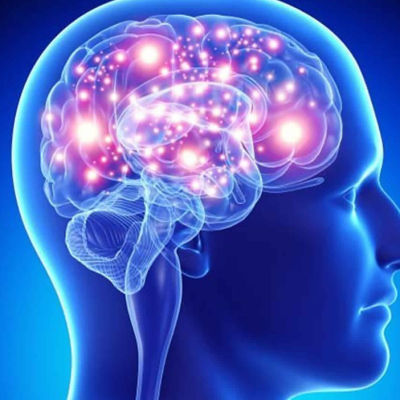
Effects of dry needling go beyond simply fiddling with transmission of nerve signals to the brain. Research links dry needling to improved levels of inflammatory substances, which are associated with dysfunction and pain.
A recent 2025 research review of over 20 studies provides a snapshot of this effect:
The researchers set out to look into the impact of dry needling and acupuncture on markers of inflammation in patients with a variety of conditions. Both interventions showed significantly positive effects on inflammatory markers such as TNF(Tumor Necrosis Factor) and C-reactive proteins. In fact, dry needling showed a slightly superior effect than standard acupuncture.
The Evidence: Is Dry Needling Really Worth a Try?

Based on what we’ve seen from the evidence relating to mechanisms of action, it’s easy to see that Dry Needling is a worthwhile intervention. However, there’s been more recent efforts dedicated to seeing its efficacy in treating various musculoskeletal issues.
For instance, a recent research review from the Journal of Clinical Medicine looked into 36 studies on the effectiveness of dry needling in patients with musculoskeletal pain. The review showed that Dry needling is as effective as other conventional interventions when it comes to reducing pain in the short term regardless of body region.
However, it’s worth noting that more studies need to be done on its efficacy as a standalone treatment method in the intermediate and long term. The bottomline is: dry needling is a highly effective tool when it comes to short term pain management. It can prove an extremely useful tool in a comprehensive treatment plan that incorporates other treatment methods.
How About Safety?
Dry needling is a generally safe procedure when performed by a certified health care professional. The needles are sterile and discarded immediately after usage to avoid infections. When it comes to side effects, current reports show an extremely low rate of adverse effects i.e Pneumothorax, which is placed at less than 0.1%.
Relatively minor side effects include muscle soreness, mild swelling and some bleeding at the insertion sites. These are relatively more common, as current reports place them at around 8-12%.
What I see in the Clinic
Based on the research and sound theoretical framework, dry needling is a key part of my toolbox when it comes to treating musculoskeletal problems. To date, it’s not just an idea, but something I see working wonders on a day-to-day basis. Don’t hesitate to reach out to use here for an appointment.
Anna’s case shows us what this incredible treatment technique can do:
She’s a semi-professional tennis player who walked in complaining of persistent pain along the outer parts of her forearm and elbow. The pain started a few weeks earlier as a dull ache around the elbow joint, which typically settled in after training sessions. A quick heat wrap around the sore area worked very well until the last 5 days before the consultation. There was no obvious event connected to the pain except for the physical exertion that came with Tennis sessions.
We quickly got into a comprehensive physical exam. Our clinical tests confirmed our suspicions: Tennis Elbow, a.k.a Lateral Epicondylitis in medical terms.
Tennis Elbow involves damage and inflammation to a tendon found on the outer side of the elbow, that connects a group of forearm muscles to the upper arm bone.
We combined Dry needling and manual therapy(deep friction massage) to reduce pain, and reduce tightness in muscles around the elbow area. and exercise. The pain decreased by roughly 60% by the end of the first session, and we continued with these methods for the fisrt 3 sesions. Once the pain had resonably subsided, we incorporated therapeutic exercise to improve overall function. We used stretches to improve general physical properties of muscles and other soft tissues, and basic range of moion and strength exercises to build functional strength in affected muscle groups.
By the end of 6 sessions, we’d basically moved on to more active interventions like eccentric strength training because the pain was down by over 95%. It was obvious the time frame for recovery was significantly made shorter by Dry Needling. Anna was able to get back to what she loves most: All with less sessions, less time, and of course lower treatment costs.
Common Misconceptions My St Clair Patients Have About Dry Needling
Dry Needling is Acupuncture
There is a big difference between Dry Needling and acupuncture. Dry needling is rooted in western medical science, based on a deep understanding of conventional human anatomy and physiology. It’s primarily used to treat musculoskeletal problems i.e tendinopathies, trigger points etc. On the other hand, acupuncture has its roots in chinese medicine. Its application revolves around restoring and balancing the flow of Qi energy, which translates to improved function in targeted organs or body parts.
Unlike dry needling, acupuncture is believed to be effective for a wide range of conditions and diseases affecting multiple body systems like the digestive and urinary systems.
It’s dangerous
Most of my patients find Dry needling abit intimidating, but the truth is: it’s more comfortable than it looks. In most cases, the needle comes with a brief deep ache and a muscle twitch that resolves rapidly. When it comes to adverse reactions, available research show low prevelance rates, which suggests that it’s a safe treatment method.
It’s another modern clinical gimmick
As we’ve discussed above in the evidence section, numerous clinical studies have been done on the method’s short and long term efficacy. Research reviews of studies on its efficacy show that it’s an extremely effective tool for treating musculoskeletal pain in the short term. In fact, it puts up a great competition in terms of efficacy when it’s compared to conventional pain relief methods.
Limitations: What Dry Needling Can't Do
Dry needling can be a highly effective treatment option for pain and muscle tightness in specific areas. However, it shouldn’t be used as a standalone treatment method, especially in chronic conditions. I use dry needling as a piece of the puzzle, often combined with other effective treatments like manual therapy and exercise.
Get in Touch: Why You Should us for Dry Needling
Are you battling with acute or long term musculoskeletal pain? A comprehensive physiotherapy treatment program that incorporates skilled dry needling could be the solution for you. Our Lead Physiotherapist, Adrianna, brings years of experience and expertise in dry needling and musculoskeletal pain management on the table. Expect a thorough assessment followed by a carefully crafted treatment plan tailored to your needs. Give us a call for an appointment. Let’s get started today.
Frequently Asked Questions
First of all, the two treatment methods are rooted in different philosophies:
Acupuncture has its roots in traditional Chinese medicine. In broad terms, it’s a practice that’s centered around balancing energy along paths where life force energy flows, known as Meridiens. Its application encompasses a wider range of diseases/conditions including digestive and reproductive issues.
On the other hand, Dry needling is rooted in western medicine. Unlike Acupuncture, it targets specific anatomical tissues and physiological processes. Its scope of treatment is limited to local structures and physiological phenomena like muscles, trigger points, and tendons.
Dry needling can be effective for low back pain, especially when it’s due to local mechanical issues in and around the spine i.e trigger points, muscle spasms, hypersensitivity etc. Dry needling can easily be used to complement other treatment methods like exercise and manual therapy techniques to optimize treatment efficacy.
There’s no one-size-fits-all solution for everyone. Recovery time-frame depends on the underlying condition and a variety of personal and environmental factors. However, most people experience significant symptom improvements within the first session.