Managing Scoliosis Naturally: Meet the Schroth Method
Have you or someone you care about been diagnosed with scoliosis? Well, there’s hope, and surgery may not be the only solution for your recovery.
Scoliosis is a structural condition where the spine curves to either side. Scoliosis affects 2–3% of Australians and comes with mild to severe structural issues in the spine which can affect your quality of life. The good news is scoliosis is treatable with access to the right expertise. Treatment spans from conservative methods like physiotherapy to more invasive measures such as surgery.
At Healthy Movements Physiotherapy, we are one of the few clinics in the area trained in delivering Schroth-based physiotherapy for scoliosis.
Our practitioners understand the nuances of treating both children and adults with scoliosis using this method. We’ve helped patients across Western Sydney improve their spinal alignment, manage symptoms, and avoid surgery through targeted non-invasive care.
The Schroth Method
The Schroth Method is a specialised, non-invasive option for people with common forms of scoliosis, and growing research evidence continues to support its usage in clinical settings. We’ll look at what it is and how it can help you deal with this problem.
We’ll set the foundation with a look at what scoliosis really is, and available treatment options. After that, we’ll take a closer look at the Schroth Method and what it means to you or anyone with scoliosis.
A Quick Glance into the Human Spine
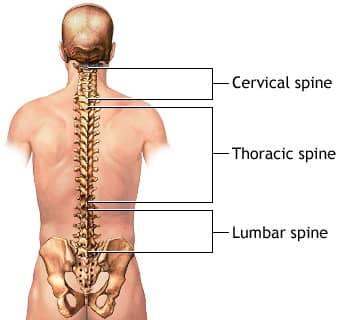
The human spine is a column of short bones stacked on top of each other from the neck all the way down to the pelvis.
Collectively, they allow movement in the spine, provide structural support, and secure the spinal cord.
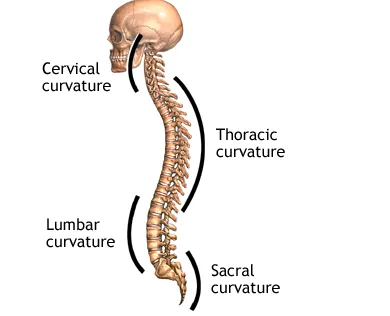
Viewing it from the side, the spine naturally forms a natural S shape, which is critical for its ability to absorb mechanical stress. Think of it as a biological shock absorber.
From the back, the spine forms more of a straight line along the midline.
Key Features of Scoliosis
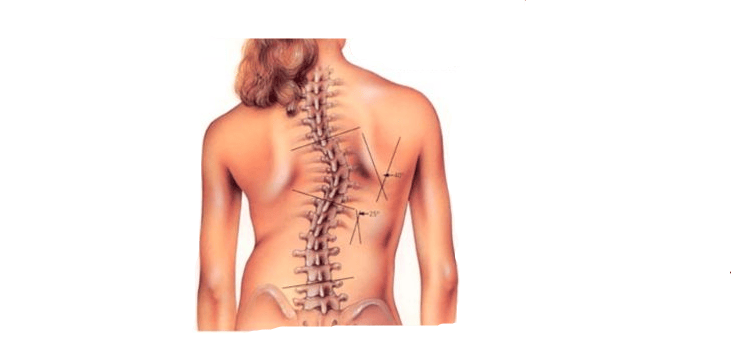
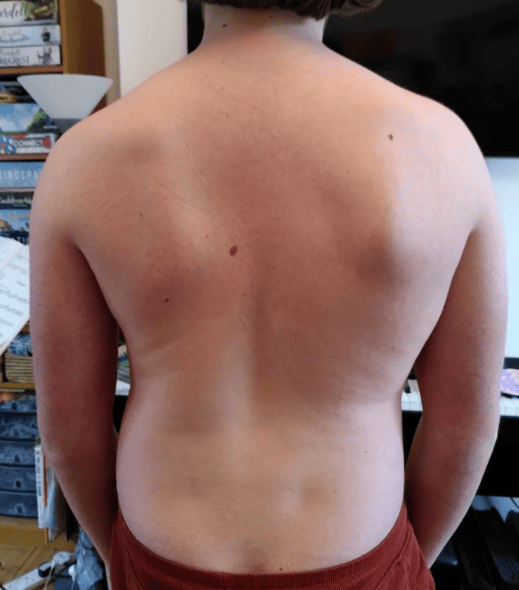
One or more areas of the spine curve to the side.
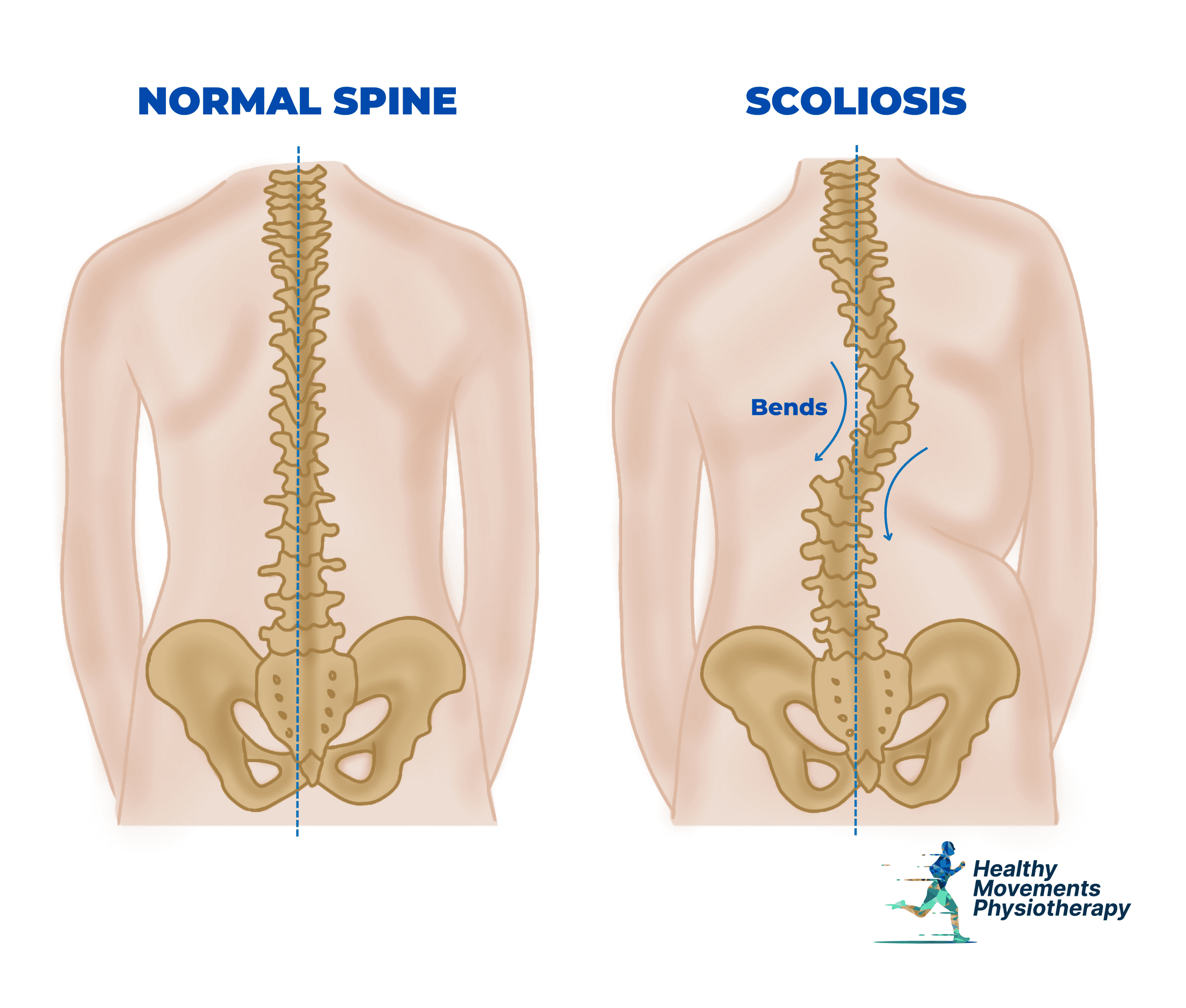
Backward rotation of the bones in the curve, which is common in more severe cases.
A hump: Rotated bones in the curve push ribs and the shoulder blade on the side of the curve, causing a hump.
Scoliosis is defined by the Cobb’s angle, which is the angle formed by two straight lines from the upper and lower margins of the highest and lowest bones of the curvature. A Cobb angle of more than 10 degrees is classified as scoliosis.

“one of the few clinics in the area trained in delivering Schroth-based physiotherapy for scoliosis” Adriana Pascut – manager
Types of Scoliosis
| Type | Cause | Who’s Affected |
|---|---|---|
| Idiopathic | No clear cause | Mostly teens and adults |
| Congenital | Abnormal formation of spinal bones | Infants and young children |
| Secondary | A complication of pre-existing conditions | Individuals with underlying conditions affecting the spine |
Treating Scoliosis
Surgical Treatment
Surgery is suggested when the scoliosis progresses over time despite conservative methods or when it’s simply too severe to reverse with non-invasive options. Common procedures include:
Spinal fusion, which involves fusing some vertebrae together with rods and screws.
Insertion of adjustable rods, which allow for growth while limiting progression of the curvature.
Conservative Management
Bracing and physiotherapy are great ways of limiting or even reversing milder forms of scoliosis. Like surgery, the main goals are either to keep the scoliosis from progressing or to reverse it.
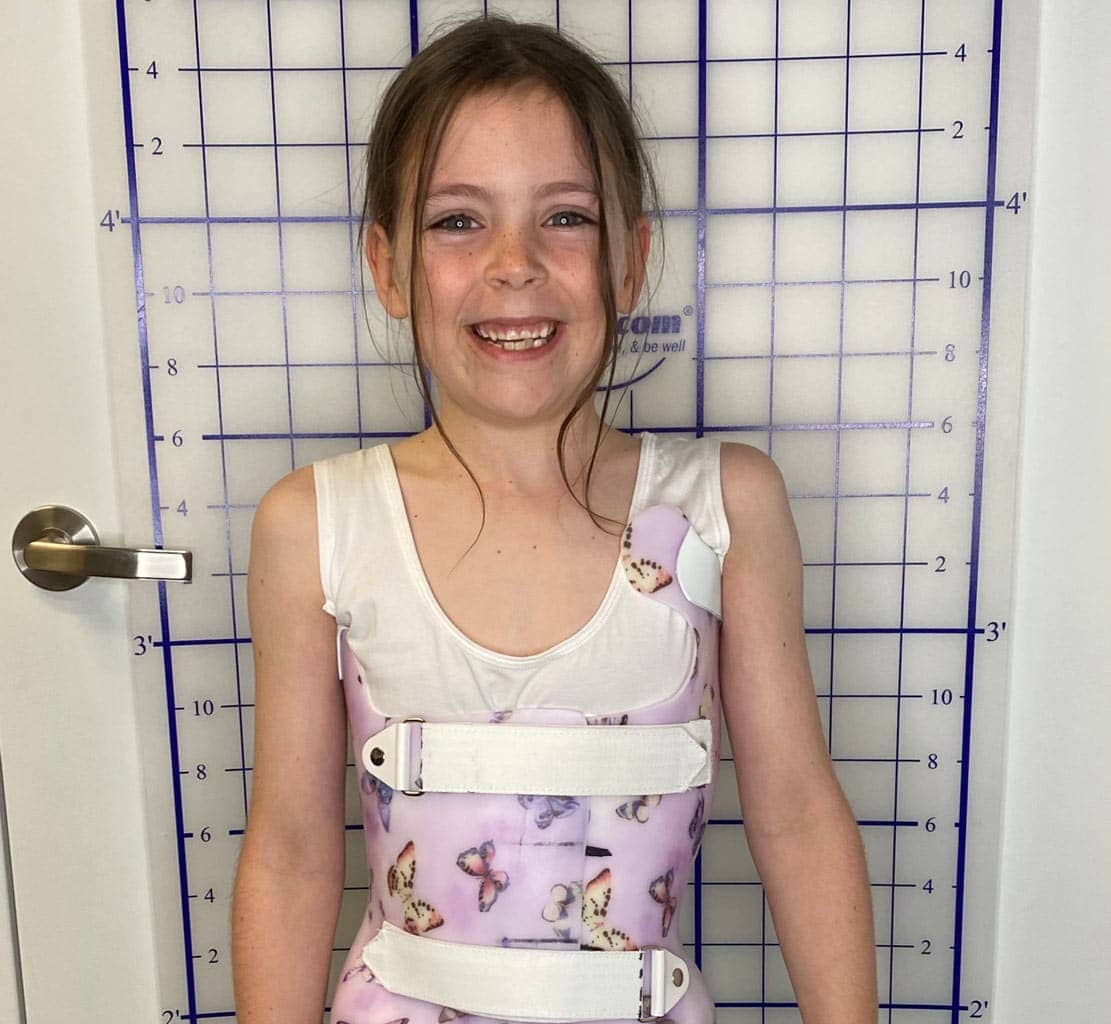
Scoliosis braces are specially designed wearables that help with countering the forces that promote the progression of the curvature. They are typically made of plastic and designed to fit under clothes while fixing the rib cage and spine into favorable positions for growth.
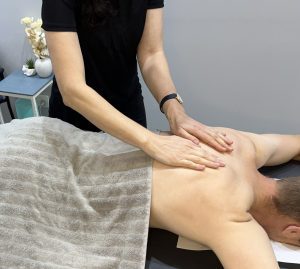
Physiotherapy involves a variety of treatment methods aimed at limiting or reversing the curvature, managing associated symptoms, and preventing problems. Key treatment methods include corrective exercise, manual manipulation, electrotherapy devices, and orthotics.
The Schroth Method
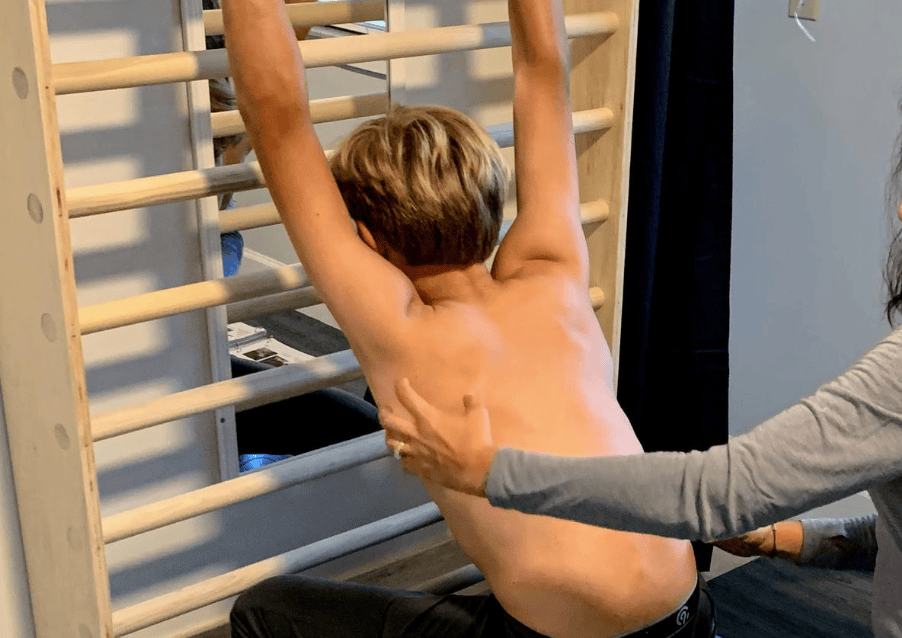
The Schroth Method is a special exercise-based approach pioneered by a German physiotherapist, Katharina Schroth, who used the method to treat herself and numerous other patients. It uses a combination of stretches, breathing exercises, and strength training techniques to reduce the curve and spinal rotation.
Unlike traditional stretching or strengthening, Schroth targets all three dimensions of scoliosis—side curve, spinal rotation, and postural alignment—making it one of the most comprehensive non-surgical approaches available today.
Schroth Case Study
Jack (not his real name), an 11-year-old from Penrith, came to us with an 18-degree curve. Over 8 Schroth sessions across two months, we saw a measurable reduction in spinal rotation, and Jack now only uses a brace part-time. More importantly, he’s back to playing soccer without discomfort.
What Makes it Unique Among Other Physiotherapy Approaches?
Scoliosis is a complex problem with deviations in all three dimensions. The most effective treatment approaches should address all the key elements: side curvature and vertebral rotation. Unfortunately, most physiotherapy methods incorporating stretches and strength training regimens do not address all these aspects sufficiently. Most standard stretches are great at targeting the side curve, but not necessarily vertebral rotation. The Schroth Method addresses this gap by using a special technique known as Rotational Angular Breathing, which is highly efficient for reversing the rotational component.
What Can You Expect in a Schroth Session?
A typical Schroth session at our clinic lasts 45–60 minutes and begins with a full postural and curve assessment. From there, we guide you through tailored postural exercises, breathing drills, and strengthening movements with hands-on support. We also provide home exercises to reinforce progress between sessions. Most patients see improvements in postural awareness and mobility within a few weeks.
So Who’s the Schroth Method For?
The Schroth Method is ideal for adolescents with idiopathic scoliosis. It can also be helpful for adults with mild to moderate forms of the condition. Additionally, it’s a great complementary technique for bracing and those looking to either delay or avoid surgery.
The Evidence
A group of Spanish researchers provided the latest piece of evidence in 2023. They analyzed six major studies over the past decades to see if the Schroth Method has any significant impact on idiopathic scoliosis. In the end, they observed significant differences in the severity of the curvature, rotation, and overall quality of life.
This agreed with an earlier 2022 study, which looked at 13 previous studies to assess the method’s efficacy on idiopathic scoliosis. Results showed significant effects in all components of scoliosis as well as quality of life.
So What Does It Really Involve?
There are three main components of the Schroth Method, all aimed at correcting specific components of the curve:
Spinal Elongation: Involves stretches and postural correction techniques to reduce the curve and improve posture.
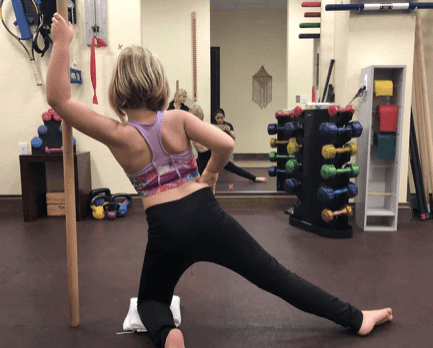
Rotational Angular Breathing (RAB): The patient is instructed to perform specific breathing patterns, which move twisted/rotated spinal bones into more natural positions. Mastering this element of the Schroth Method takes time and practice.
Strengthening: Uses isometric strength training to reduce muscle imbalances caused by the spinal curvature. This means better spinal control and prevention of relapses in the long run.
Most scoliosis is treatable when the right interventions are deployed. The Schroth Method offers a cost-effective, non-invasive treatment option with a growing evidence base to support its usage. Despite its steep learning curve on the part of the patient, it’s a worthwhile pursuit if you have access to a trained physiotherapist.
Why Choose Healthy Movements Physiotherapy?
- Extended Appointment Times: Our initial appointments are 45 minutes long to ensure a detailed assessment.
- Focused on Long-Term Results: We aim to address the root cause of your pain, not just the symptoms.
- Personalised Care: We listen to your needs and tailor our treatments to meet your specific goals.
- Affordable Prices: We believe healthcare should be accessible and affordable for everyone.
Looking to find the best non-surgical solutions for scoliosis? Our seasoned physiotherapists are adept at assessing and finding the best treatments or solutions for your personal needs. Book a consultation today! We’re here to be part of your recovery journey. Book an appointment with us today or call Adriana at 0416 369 294. Let us help you move and feel better.
Scoliosis Frequently Asked Questions (FAQs)
Scoliosis is a condition where the spine curves abnormally to the side, often accompanied by spinal rotation. It’s usually diagnosed through a physical examination and confirmed with X-rays that measure the Cobb angle. A curve greater than 10 degrees is considered scoliosis.
Scoliosis can develop at any age, but the most common form—Adolescent Idiopathic Scoliosis—typically appears between ages 10 and 18, often during growth spurts.
Yes! Many mild to moderate cases of scoliosis can be managed conservatively with options like physiotherapy and bracing. The Schroth Method is a proven, non-invasive approach that can help reduce the curve, improve posture, and prevent progression.
The Schroth Method is unique because it targets scoliosis in three dimensions—not just the side curve. It uses Rotational Angular Breathing (RAB), spinal elongation, and specific strengthening to reduce spinal rotation, correct posture, and train long-term control. It’s more than exercise—it’s a structured, personalised approach.
Yes, adults with scoliosis—especially those with pain, stiffness, or postural concerns—can benefit from the Schroth Method. While the goal may not always be curve correction, it can improve comfort, function, and quality of life.
Some patients notice improvements in posture, pain, and breathing within a few weeks. Significant curve reduction (if applicable) typically takes a few months and depends on the individual’s age, curve severity, and consistency with the program.
Not always. In many cases, the Schroth Method is used alongside bracing to improve results. Your physiotherapist will assess your situation and recommend the best plan for you.
Not at all. The method is designed to work within your limits. Most patients find it gentle, empowering, and tailored to how their body moves and feels.
It’s easy! Just book a consultation with our team. We’ll assess your posture, review your history, and begin creating a personalised plan to support your spine and quality of life.